
Landscape Renovation: Transforming Property Value in CT
- Jan 23
- 18 min read
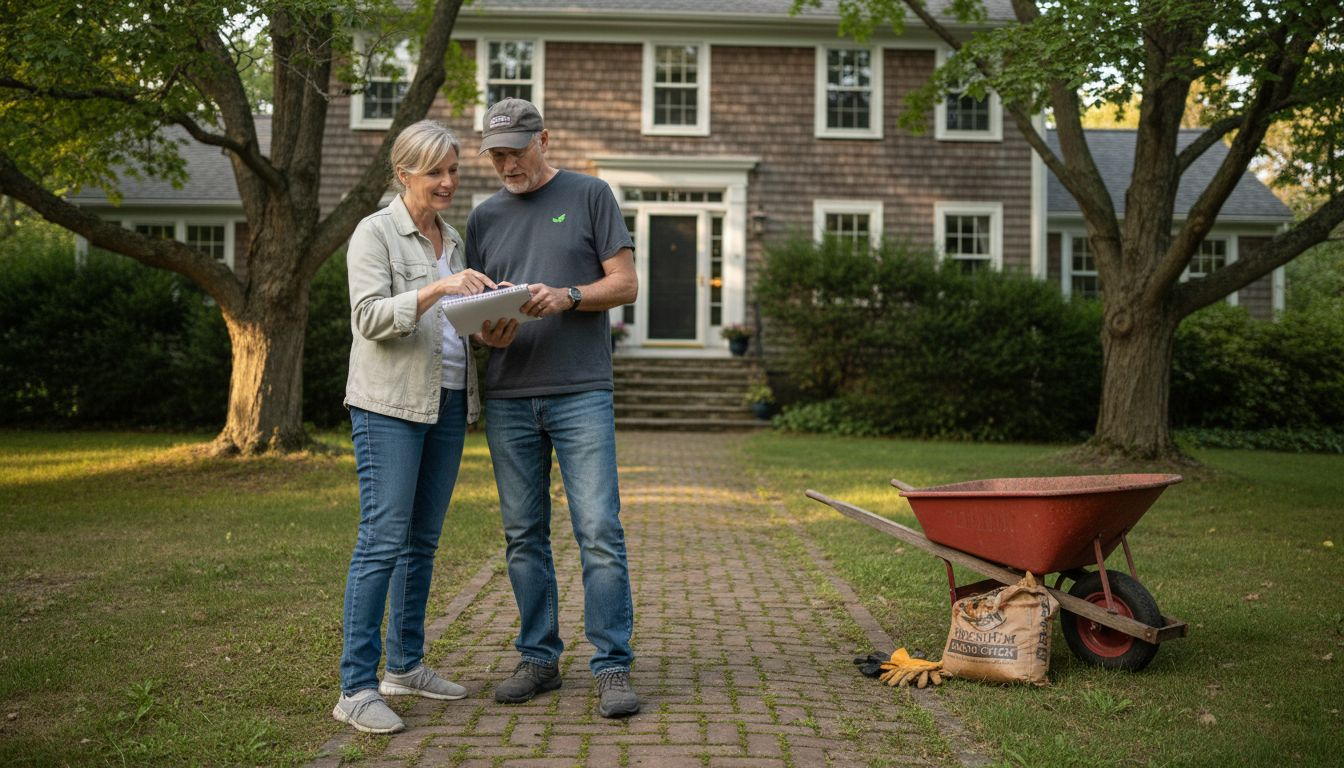
Many property owners in Canton wonder why their outdoor spaces feel disjointed or underused despite regular upkeep. The difference often lies in understanding what true landscape renovation involves and recognizing the common misconceptions that hold projects back. Addressing both aesthetics and functionality, a thoughtful renovation can protect your foundation, improve water management, and create outdoor areas that really fit your needs. Discover how professional landscape renovation goes beyond quick fixes, helping you achieve lasting value and beauty for your Connecticut property.
Table of Contents
Key Takeaways
Point | Details |
Comprehensive Renovation | Landscape renovation goes beyond aesthetics, addressing functionality and design for long-term property value. |
Importance of Professional Input | Collaborating with experienced landscapers helps avoid costly mistakes and maximizes property value. |
Phased Approach | Strategic, phased renovations allow for better design adjustments and cost management over time. |
Legal and Budget Considerations | Understanding local regulations and securing detailed contracts is essential for a successful landscape project. |
Defining Landscape Renovation and Common Myths
Landscape renovation is far more than just planting some new shrubs or refreshing your mulch beds. A true landscape renovation involves a thoughtful, comprehensive transformation of your outdoor space, addressing both aesthetic appeal and functional design. This includes reimagining hardscapes, improving drainage systems, updating plantings, enhancing outdoor living areas, and creating a cohesive design that flows with your home’s architecture and your property’s natural topography. For many Canton homeowners and business owners, a successful landscape renovation starts with understanding that this is an investment in your property’s long-term value, not simply a quick cleanup project.
Unfortunately, several misconceptions prevent property owners from pursuing landscape improvements that could significantly enhance their homes and businesses. One of the biggest myths is that landscape renovation is purely cosmetic. In reality, landscape projects address critical functionality like water management, soil health, erosion control, and accessibility. When done properly, these improvements protect your foundation, reduce maintenance costs, and create healthier growing environments for plants and trees. Another common misconception is that you need a massive budget to see meaningful results. The truth is that strategic, phased renovations often deliver better outcomes than attempting everything at once. Prioritizing high-impact areas and working with experienced professionals helps you maximize your return on investment while avoiding costly mistakes.
Another persistent myth centers on who should be involved in landscape decisions. Many property owners believe they can simply hire a general contractor or follow social media trends without professional input. However, landscape governance requires multiple stakeholders, including experienced landscapers, designers, and sometimes arborists or drainage specialists, working together to navigate ecological, economic, and social factors specific to your property. Professional landscaping services in Connecticut bring expertise in local soil conditions, climate considerations, plant selection, and building codes that DIY approaches typically miss. Additionally, many homeowners underestimate how landscape improvements affect property value. Quality landscape work can increase curb appeal, extend your living space outdoors, and boost property values by anywhere from 5 to 15 percent, depending on the scope and quality of the work.
One final misconception worth addressing is the timeline myth. Many people think landscape renovation happens overnight or must be completed in a single season. Strategic renovations are often planned in phases to allow plants to establish, budgets to be managed effectively, and adjustments to be made based on how spaces function throughout different seasons. A property owner in Canton might start with improving front-end curb appeal one year, then move to backyard hardscaping and planting the following season. This approach gives you time to live with changes, understand your landscape’s unique characteristics, and make informed decisions about future improvements rather than rushing into commitments you might regret.
Pro tip: Before starting any landscape renovation, spend at least one full season observing how water flows across your property during rain, where sun and shade patterns fall throughout the day, and which areas of your outdoor space you actually use most often; this information alone will guide better design decisions and help professionals create solutions that work with your property rather than against it.
Major Types of Landscape Renovation Projects
Landscape renovation projects come in many shapes and sizes, each addressing different goals and property conditions. Understanding the main categories helps you identify which type of project makes sense for your Canton home or business. The scope of landscape work ranges from improving outdoor living spaces and addressing drainage issues to completely reclaiming neglected land. Professional landscape architecture services span urban design, public parks, greenways, and housing layouts, but for residential and commercial property owners in Connecticut, the most relevant projects typically fall into a few core categories.
The first major category is hardscape renovation, which involves reshaping the built elements of your landscape. This includes installing or replacing patios, decks, walkways, retaining walls, and outdoor living structures. Hardscape projects often become necessary when existing structures settle unevenly, drain water toward your foundation instead of away from it, or simply no longer match your home’s current style. For example, a dated concrete patio can be replaced with permeable pavers that handle drainage better while creating a more modern aesthetic. Another critical type is planting renovation, where you redesign the vegetation on your property. This might mean removing overgrown or diseased trees, eliminating invasive species that choke out healthy plants, and establishing new planting beds with native species suited to Connecticut’s climate. A third essential category is drainage and grading correction. Many older properties in the Canton area suffer from poor water management, causing wet basements, eroded soil, or standing water in yards. Correcting these issues through regrading, installing French drains, or creating rain gardens protects your property’s foundation and creates healthier soil conditions.
Site reclamation and restoration represents another significant project type. This involves transforming underutilized or damaged areas of your property into functional, attractive spaces. A common example is converting a defunct pool area into a usable garden or patio space. Similarly, properties with overgrown brush, dead vegetation, or compacted soil from construction or neglect can be cleared, properly graded, and replanted to restore their value and functionality. Outdoor living space expansion is increasingly popular among Canton homeowners who want to extend their usable property beyond the house itself. This includes creating defined seating areas, installing pergolas or shade structures, building fire pits or outdoor kitchens, and establishing pathways that connect different zones of your landscape. These projects blend aesthetics with function, allowing you to enjoy your outdoor space across multiple seasons.
Finally, specialty renovations address unique property challenges. This might include historic preservation work that respects original design elements, erosion control on slopes or waterfront properties, or accessibility improvements that make your landscape usable for everyone. Some properties also benefit from habitat and ecological improvements, such as creating pollinator gardens, installing rain gardens to manage stormwater naturally, or removing invasive species to restore native plant communities. The key is recognizing that landscape renovation isn’t one-size-fits-all. Your property’s specific challenges, your goals, your budget, and your timeline all determine which project types make sense to pursue first.
Here’s a summary of the core types of landscape renovation projects and their key benefits:
Project Type | Main Focus | Primary Benefits |
Hardscape Renovation | Patios, walkways, walls | Improved function and curb appeal |
Planting Renovation | Trees, shrubs, native beds | Healthier plants and lower upkeep |
Drainage & Grading Correction | Water flow management | Protects foundation and soil health |
Site Reclamation & Restoration | Reclaim damaged areas | Restored value and usability |
Outdoor Living Expansion | Seating, kitchens, patios | Enhanced seasonal enjoyment |
Specialty Renovations | Historic, habitat, access | Unique property-specific outcomes |
Pro tip: Start by listing all the functional problems on your property, such as drainage issues, erosion, or dead plants, then prioritize fixing these problems before investing in purely cosmetic upgrades; this approach protects your property’s structural integrity while building a foundation for beautiful landscaping that actually lasts.
Step-by-Step Process of Renovating Landscapes
Successful landscape renovation doesn’t happen by accident. It follows a structured approach that begins with careful observation and planning, moves through design and implementation, and continues with monitoring and adjustment. Understanding this process helps you avoid costly mistakes and ensures your renovation delivers the results you want. Whether you’re tackling a small residential project or a larger commercial property, the core stages remain consistent: assessment, planning, design, budgeting, implementation, and ongoing maintenance.
Start with a thorough site assessment and planning phase. This is where you observe your property closely and document what currently exists. Walk your land during different times of day and in various weather conditions. Note where water pools after rain, which areas get full sun versus shade, where trees cast shadows in different seasons, and which parts of your yard you actually use. Look at soil quality, identify existing plants and hardscapes, and spot any drainage problems or erosion. Take photographs from multiple angles. At the same time, work with a professional to define your renovation goals. Do you want to increase curb appeal, create more outdoor living space, fix drainage issues, or improve sustainability? Understanding what you’re trying to achieve guides every decision that follows. Next comes detailed site assessment work, which often includes soil testing to determine pH levels, nutrient content, and drainage capacity. This information proves invaluable when selecting plants and determining grading needs.
The design and planning stage transforms your observations and goals into a concrete plan. A professional landscape designer creates a plan that shows hardscape placement, planting locations, drainage solutions, and outdoor living areas. This is where you integrate functionality with aesthetics. You might discover that rearranging where your patio goes solves a drainage problem while improving sightlines from your kitchen window. Plant selections should match your soil conditions, climate zone, maintenance preferences, and the property’s overall style. During this stage, you’ll also establish your budget and determine what can be done immediately versus phased over time. The design phase lets you make adjustments on paper rather than in the dirt, saving money and preventing regrets. Following a five-stage restoration framework helps ensure you address scope, financing needs, stakeholder input, and adaptive management strategies that keep your project on track.
The implementation phase is where the actual work happens. This might involve removing old hardscapes or overgrown vegetation, regrading your property, installing drainage systems, building new patios or walls, and planting new vegetation. Professional installation matters tremendously here. Poor installation of a patio can lead to water drainage problems within a year. Incorrect grading can send water toward your foundation instead of away from it. Trees planted too deeply or too shallow may struggle or fail. That’s why working with experienced professionals who understand Connecticut’s climate, soil conditions, and building codes is critical. Projects are often completed in phases. For example, a Canton homeowner might install hardscaping in year one, allowing soil to settle, then add planting and finishing touches in year two. This phased approach also allows you to adjust based on how spaces function through different seasons.
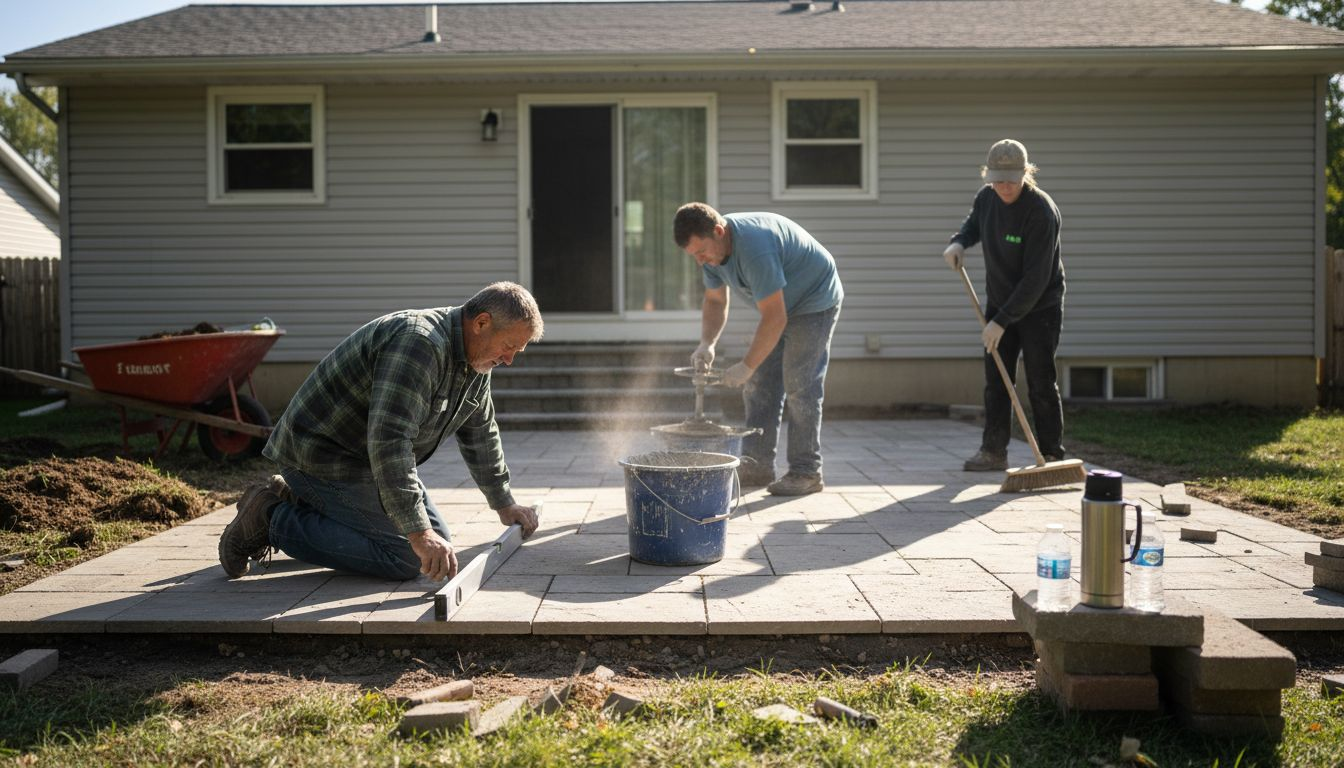
The final critical stage is monitoring and maintenance planning. Your landscape isn’t finished when construction ends; it’s just beginning. Newly planted trees and shrubs need specific watering schedules, especially during their first year. Some plants may not thrive in their locations and need relocation. Hardscapes may need adjustments as soil settles. Regular maintenance keeps your renovation investment performing well and looking good. Establish a maintenance schedule that includes seasonal tasks, watering protocols, mulch replenishment, pruning, and inspections. Some property owners benefit from ongoing professional maintenance services that keep everything thriving. Budget for this from the start rather than discovering later that neglected landscapes deteriorate quickly.
Pro tip: Create a detailed project timeline before starting any work and share it with all contractors and landscapers involved; having everyone aligned on when soil preparation happens, when plants arrive, and when hardscaping begins prevents costly delays and ensures the project flows smoothly from one stage to the next.
Key Features and Design Considerations
When planning a landscape renovation, certain design features and considerations determine whether your project succeeds or falls short of expectations. The best renovations balance aesthetic appeal with practical functionality, environmental responsibility, and maintenance reality. This means thinking beyond what looks pretty in a magazine photo and considering how your landscape will actually perform in Canton’s climate, how it will serve your lifestyle, and how you’ll maintain it long-term. Successful design integrates multiple elements including plantings, hardscapes, water management systems, and lighting while respecting your property’s unique conditions.
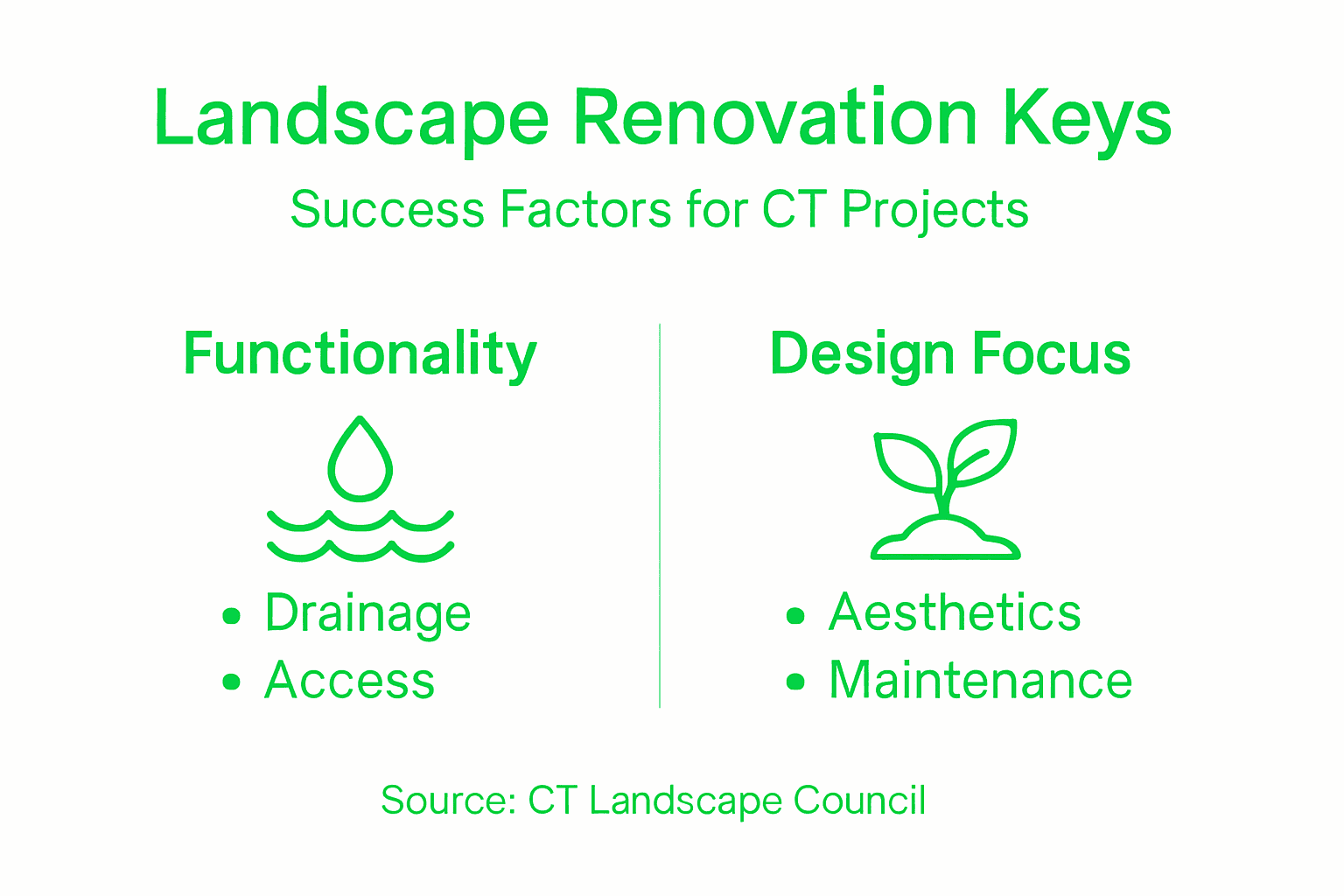
Functionality and User Experience
Before aesthetics, focus on how your landscape actually functions. Does water drain away from your home or pool near the foundation? Can you walk safely from your driveway to your front door in winter without slipping? Is there adequate space for outdoor entertaining, or does your patio feel cramped? Professional landscape design begins with detailed site analysis and conceptual design phases that map existing conditions and user patterns. Your designer should ask you about daily movements through your space, seasonal activities, and future needs. A property owner who hosts regular gatherings needs different hardscape features than someone primarily using their yard for personal relaxation. Consider how sunlight and shade patterns change through seasons, affecting where you can comfortably sit at different times of year. Think about sight lines from windows inside your home and how your landscape appears from the street. Practical pathways should connect functional areas logically rather than creating unnecessary walking distances.
Water Management and Sustainability
Water management sits at the intersection of functionality and environmental responsibility. Poor drainage causes foundation damage, erosion, and unhealthy plants. Smart design directs water away from structures through proper grading, French drains, rain gardens, or permeable hardscapes. Connecticut’s climate brings significant rainfall, making drainage solutions essential rather than optional. Sustainable planting choices matter too. Native plants suited to Connecticut’s zone five and six conditions require less water, fertilizer, and pest management once established. They support local pollinators and wildlife while fitting naturally into your landscape’s ecological context. Green infrastructure and stormwater management approaches like rain gardens filter runoff, reduce erosion, and create attractive landscape features simultaneously. When selecting plants, consider their mature size, water needs, soil preferences, and seasonal interest. A tree that will grow to eighty feet shouldn’t be planted ten feet from your house. Ornamental grasses that thrive in dry conditions work poorly in areas that stay wet. Match plants to site conditions rather than fighting against them.
Aesthetic Cohesion and Maintenance Reality
Your landscape should complement your home’s architecture and reflect your personal style while remaining realistic about maintenance. A complicated design with seventeen different plant species, multiple hardscape materials, and intricate planting patterns becomes a nightmare to maintain. Simpler designs using fewer plant varieties, repeated elements, and clean lines often look more sophisticated while remaining manageable. Choose hardscape materials that work in your climate. Certain stone types crack in freeze-thaw cycles. Some pavers shift unevenly over time if not properly installed. Colors that look stunning in summer catalogs might clash with your home’s siding once installed. Work with professionals who understand Connecticut conditions and can recommend materials that perform well locally. Consider maintenance requirements honestly. High-maintenance plantings like roses or formal hedges demand regular pruning and care. If you travel frequently or lack gardening interest, simplify your planting palette and choose hardy, low-maintenance species. Lighting deserves attention too. Pathway lighting improves safety and extends outdoor enjoyment into evening hours. Subtle uplighting on trees creates beautiful nighttime focal points. Proper lighting design is often overlooked but dramatically affects how your landscape functions and feels after dark.
Phasing and Budget Integration
Rare is the homeowner who can execute a complete landscape renovation immediately. Smart design accounts for phasing, allowing you to spread costs across multiple years while building toward your complete vision. A designer should create a master plan showing the entire vision, then identify logical phases that work independently while building toward the whole. Year one might focus on hardscaping and major structural plantings. Year two could add planting beds and accent features. This approach lets you adjust based on how spaces function through seasons and prevents the overwhelm of simultaneous projects everywhere.
Pro tip: Request a maintenance schedule from your designer that specifies watering needs for the first year after planting, seasonal pruning requirements, mulch refreshment timing, and inspection points for drainage systems; having this documented prevents assumptions and keeps your investment thriving.
Legal Requirements in Connecticut Landscaping
When you hire a landscape contractor for your Canton property, you’re entering into a regulated business relationship governed by Connecticut state laws. Understanding these requirements protects you as a property owner and ensures you’re working with professionals who meet legal standards. Connecticut imposes specific regulations on landscaping contractors covering licensing, tax compliance, insurance, and specialized certifications. These aren’t bureaucratic obstacles but safeguards that help maintain quality standards and protect both homeowners and professional contractors.
Licensing and Contractor Registration
Connecticut requires landscape contractors to be properly licensed and registered with the state. The primary requirement involves holding a Landscape Contractor License, which demonstrates that a company has met specific training and experience standards. Additionally, Connecticut imposes licensing and registration requirements for landscape contractors, including pesticide and arborist licensing, along with periodic continuing education mandates. If a landscaper will be applying pesticides on your property, they must hold a Pesticide Applicator License, which requires passing an examination and maintaining current certifications through ongoing training. If your project involves tree removal or significant tree work, your contractor should hold Arborist Certification, which verifies expertise in tree biology, health, and proper care techniques. This matters because improper tree pruning or removal can cause long-term damage to your property and neighboring properties. When hiring a contractor, always request proof of current licenses. Ask to see their registration documents and verify their credentials directly with the state if you have any concerns.
Tax and Insurance Compliance
Connecticut classifies landscaping and horticultural service providers as contractors subject to specific tax regulations. Connecticut contractors must maintain adequate records attributing charges between labor and materials and comply with state Sales and Use Tax laws. This means legitimate landscaping companies properly separate labor costs from material costs, which affects how taxes are calculated. When you receive an invoice, you should see itemized charges distinguishing between labor and materials. Materials like plants, soil, mulch, and hardscape supplies are taxed differently than labor services. Professional contractors handle this correctly and maintain proper documentation. Beyond tax compliance, verify that your contractor carries liability insurance. This protects you if someone is injured on your property during the project or if property damage occurs. Ask for proof of insurance coverage and ensure the amounts are adequate for the scope of your project. Many contractors also carry workers compensation insurance, which protects their employees and shields you from liability claims if a worker is injured.
Environmental and Building Code Compliance
Your landscape project may trigger specific building code requirements or environmental regulations depending on the scope of work. Projects involving significant grading, drainage modifications, or construction near wetlands may require permits from your local town or the Connecticut Department of Energy and Environmental Protection (DEEP). A professional contractor in your area knows which projects require permits and obtains them before starting work. Working without required permits creates legal liability for you as the property owner and can result in fines or orders to remove completed work. Some landscaping projects affecting stormwater drainage or wetlands require compliance with stormwater management regulations. These requirements exist to protect Connecticut’s water resources and prevent erosion and flooding. If your property sits near a wetland or involves significant drainage changes, your contractor should be familiar with these regulations and design accordingly. Property line issues also matter. Your contractor should verify property lines before installing hardscapes or removing trees near boundaries. Encroachments onto neighboring properties create legal disputes and unnecessary costs.
Contracts and Communication
Before any work begins, ensure you have a detailed written contract that specifies the scope of work, timeline, costs, and payment schedule. This contract should reference which contractor licenses and insurances are in place. The contract should clearly state whether your contractor is responsible for obtaining permits and at whose expense. Specify what happens if weather delays the project, how change orders are handled if you request modifications, and what constitutes project completion. A clear contract prevents misunderstandings and provides recourse if disputes arise. Working with established, licensed contractors who understand Connecticut’s legal landscape ensures your project proceeds smoothly and your landscape renovation adds lasting value to your property without legal complications.
Pro tip: Before signing any landscape contract, request copies of the contractor’s current business license, liability insurance certificate, and any specialized licenses like pesticide or arborist certification, then verify these documents are current and match the company name you’re contracting with.
Typical Costs and Avoiding Common Pitfalls
Landscape renovation budgets vary dramatically based on project scope, materials chosen, and your property’s specific needs. Understanding typical cost ranges and recognizing common pitfalls helps you plan realistically and avoid expensive mistakes. A small front-yard refresh costs far less than a complete property renovation with hardscaping, drainage work, and extensive planting. Professional landscape design services in Connecticut typically range between approximately 94 and 130 dollars per hour, but total project costs depend on whether you’re doing design only or design plus installation. Material costs fluctuate based on plant selections, stone or paver quality, and soil amendments. Labor costs vary with project complexity and local market rates. Understanding these components helps you evaluate contractor quotes and recognize unrealistic pricing that signals either poor quality or hidden costs.
Understanding Cost Breakdowns
When budgeting for landscape renovation, break costs into distinct categories. Design fees cover professional assessment, plan creation, and specifications. Materials include plants, soil, mulch, stone, pavers, lumber, and any specialty items. Labor covers site preparation, installation, planting, and hardscape construction. Permits and inspections may be required depending on project scope. A typical residential landscape renovation might allocate 40 percent to materials, 40 percent to labor, and 20 percent to design, permits, and contingencies, though these percentages shift based on project type. A plant-heavy project costs more in materials; a hardscape-intensive project demands more labor hours. Drainage work and grading corrections often surprise homeowners with unexpected costs because underground work isn’t visible until digging begins. Existing vegetation removal or hazard tree takedown adds significant expense if not anticipated. Request itemized quotes from multiple contractors showing these component costs rather than a single total price. This transparency allows you to compare apples to apples and identify where costs diverge between contractors.
Common Pitfalls and How to Avoid Them
Many landscape projects derail due to preventable mistakes. Underestimating scope is perhaps the most common pitfall. What initially seems like a simple patio project reveals hidden problems once digging begins. Soil that looked acceptable proves compacted and needs replacement. Drainage issues emerge that require French drains or regrading beyond the original plan. Protect yourself by having a professional assess your property before committing to a fixed price. Choosing plants without site analysis leads to failure and frustration. A gardener who loves hydrangeas plants them in full sun where they struggle, then blames the contractor for poor quality. Roses planted in shady, wet areas develop fungal diseases. A proper design matches plant selections to your specific soil, sun exposure, moisture levels, and maintenance preferences. Rushing into decisions without adequate planning causes expensive do-overs. Spending extra time in the observation phase before construction prevents major regrets. Hiring the cheapest contractor often backfires spectacularly. A bid significantly lower than others suggests either the contractor underestimated the work or plans to cut corners on materials or workmanship. Get references and check past work before choosing contractors. Failing to coordinate with utilities creates dangerous situations. Before any digging begins, contact Dig Safe (811) to locate underground utilities. Hitting electrical, gas, or water lines creates safety hazards and liability.
The following table highlights common landscape renovation pitfalls and recommended prevention strategies:
Common Pitfall | Prevention Strategy |
Underestimating project scope | Get professional site assessment |
Mismatched plant selection | Analyze soil and sunlight first |
Rushing planning or decisions | Spend more time in observation phase |
Selecting the lowest bid only | Check references and licenses |
Ignoring utility coordination | Contact Dig Safe before digging |
Smart Budget Strategies
Phasing projects strategically spreads costs across multiple years while maintaining budget discipline. Prioritize functional improvements first. Fixing drainage or grading protects your home’s foundation and prevents long-term water damage that costs thousands to repair. Choosing quality materials that perform locally prevents costly premature failures. Cheap pavers that heave in Connecticut winters become loose and hazardous within a few years. Quality stone and proper installation last decades. Selecting appropriate plant species reduces long-term maintenance costs. Native plants suited to Connecticut conditions need less water, fertilizer, and pest management once established. High-maintenance plants like tender roses or demanding ornamentals demand constant care and money. Getting everything in writing prevents scope creep and surprise costs. Your contract should specify exactly what’s included, what triggers change orders, and how additional costs are handled. Establishing a contingency budget of 10 to 15 percent accommodates surprises inevitably encountered during renovation work.
Pro tip: Request three detailed quotes from licensed contractors, ensure each breaks down labor and material costs separately, and ask specifically what each quote includes and excludes regarding site preparation, permitting, plant installation depth, and mulch application; comparing apples to apples prevents choosing the wrong contractor based on price alone.
Elevate Your Connecticut Property with Expert Landscape Renovation
Every property owner understands how critical it is to balance functional improvements with stunning aesthetics. If you are facing challenges like drainage issues, outdated hardscapes, or simply want to increase your outdoor living space and property value, strategic landscape renovation is the key to success. At Superior Landscaping LLC, we specialize in turning your outdoor vision into reality while addressing the core pain points discussed in the article such as water management, site reclamation, and phased renovation planning.
Don’t let common pitfalls or misconceptions hold your project back. With our deep expertise in landscape design and property maintenance throughout Connecticut, including Canton, we ensure every detail—from plant selection to drainage correction—is handled professionally. Discover how our services can protect your home’s foundation, enhance curb appeal, and extend your living space. Visit Superior Landscaping LLC now to request a consultation and take the first step toward a landscape transformation that adds lasting value and enjoyment to your property. Learn more about our professional landscaping services and see why local homeowners trust us to manage their landscape renovations with precision and care.
Frequently Asked Questions
What is landscape renovation?
Landscape renovation is a comprehensive transformation of your outdoor space aimed at enhancing both aesthetic appeal and functionality. It includes addressing hardscapes, drainage systems, plantings, and outdoor living areas while ensuring a cohesive design that complements your property.
How can landscape renovation affect property value?
Quality landscape work can significantly increase property value by enhancing curb appeal and extending living spaces outdoors. Research suggests that well-executed renovations can boost property values by 5 to 15 percent, depending on the scope and quality of the improvements.
What are the major types of landscape renovation projects?
Major types of landscape renovation projects include hardscape renovation, planting renovation, drainage and grading correction, site reclamation, outdoor living space expansion, and specialty renovations to address unique challenges like habitat improvements or historic preservation.
What steps should I follow for a successful landscape renovation?
The steps for a successful landscape renovation include conducting a site assessment to evaluate the existing conditions, defining your renovation goals, creating a detailed design plan, budgeting appropriately, implementing the design in phases if necessary, and establishing a maintenance plan to ensure long-term success.
Recommended
